Vitamin B6, also known as pyridoxine, is an essential nutrient involved in brain development, immune system function, and the production of hormones and neurotransmitters. A deficiency in this important vitamin can cause various physical and mental health issues, some of which might surprise you. Here are 7 signs of very low Vitamin B6 levels and tips to fix it naturally.
7 Signs of Low Vitamin B6 Levels
1. Fatigue and Low Energy
Why It Happens: Vitamin B6 is essential for producing hemoglobin, which helps carry oxygen in your blood. Low levels can lead to fatigue and even anemia.
How to Fix:
Include foods rich in B6, such as bananas, spinach, and chickpeas.
Consider a daily multivitamin or B6 supplement if needed.
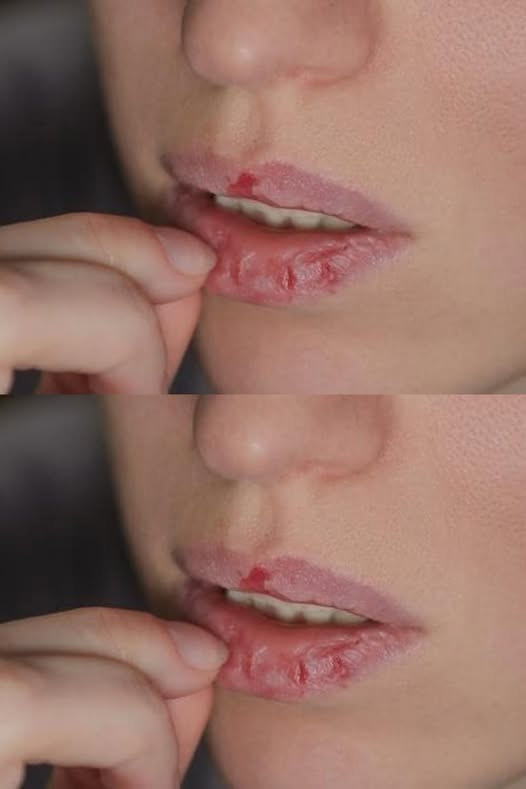
2. Cracks at the Corners of the Mouth
Why It Happens: A B6 deficiency can cause inflammation and dryness in soft tissues, leading to cracks or sores in the mouth.
How to Fix:
Add more B6-rich foods like poultry, fish (like salmon), and fortified cereals.
Stay hydrated and apply a gentle balm to the affected area.
3. Irritability, Depression, or Mood Changes
Why It Happens: B6 plays a key role in synthesizing neurotransmitters like serotonin and dopamine. A deficiency may disrupt mood regulation.
How to Fix:
Eat foods high in B6, such as potatoes, nuts, and seeds.
Combine with magnesium-rich foods (like leafy greens) to enhance absorption.
4. Weak Immune System
Why It Happens: Without enough B6, your body may struggle to produce white blood cells and antibodies, leaving you more prone to infections.
How to Fix:
Increase your intake of tuna, chicken, turkey, or fortified plant-based alternatives.
Incorporate garlic and ginger into meals, which are immune-boosting as well.
5. Tingling or Numbness in Hands and Feet
Why It Happens: Vitamin B6 helps maintain nerve health, and low levels can cause nerve damage, resulting in numbness, tingling, or pins-and-needles sensations.
How to Fix:
Focus on B6-rich foods like avocado, sunflower seeds, and beans.
Avoid alcohol, which can deplete B6 levels.
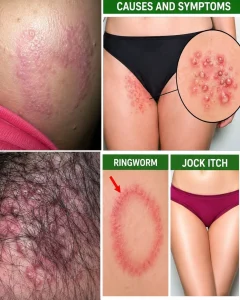
6. Skin Rashes or Flaky Skin
Why It Happens: A B6 deficiency can cause seborrheic dermatitis, a red, itchy rash, especially on your face, scalp, and neck.
How to Fix:
Include eggs, milk, and cheese in your diet for B6.
Use a gentle, non-irritating moisturizer on affected areas.
7. Cognitive Impairment or Confusion
Why It Happens: B6 is critical for brain function and development. A lack of it can lead to brain fog, memory issues, or confusion, especially in older adults.
How to Fix:
Incorporate fatty fish like mackerel or sardines, which are high in B6 and other brain-friendly nutrients.
Pair with foods high in omega-3s for enhanced cognitive support.
How to Fix Vitamin B6 Deficiency Naturally
Focus on B6-Rich Foods:
Animal Sources: Chicken, turkey, salmon, and eggs.
Plant-Based Sources: Bananas, potatoes, spinach, chickpeas, nuts, seeds, and fortified cereals.
Take Supplements if Necessary:
A B6 supplement may be recommended if dietary changes are insufficient.
Consult a doctor before starting any supplement, especially if pregnant, breastfeeding, or managing a health condition.
Avoid Alcohol and Smoking:
These habits can deplete B6 levels in your body.
Eat a Balanced Diet:
Pair B6 with other essential vitamins like B12 and folate to improve absorption and overall health.
Daily Recommended Intake of Vitamin B6
Adults: 1.3–2.0 mg/day (depending on age and gender).
Pregnant Women: 1.9 mg/day.
Breastfeeding Women: 2.0 mg/day.
Conclusion
Vitamin B6 deficiency may not be obvious at first but can lead to noticeable and uncomfortable symptoms over time. By understanding these signs and focusing on a nutrient-rich diet, you can restore your B6 levels naturally and support overall health. If symptoms persist, consult a healthcare professional for personalized advice.