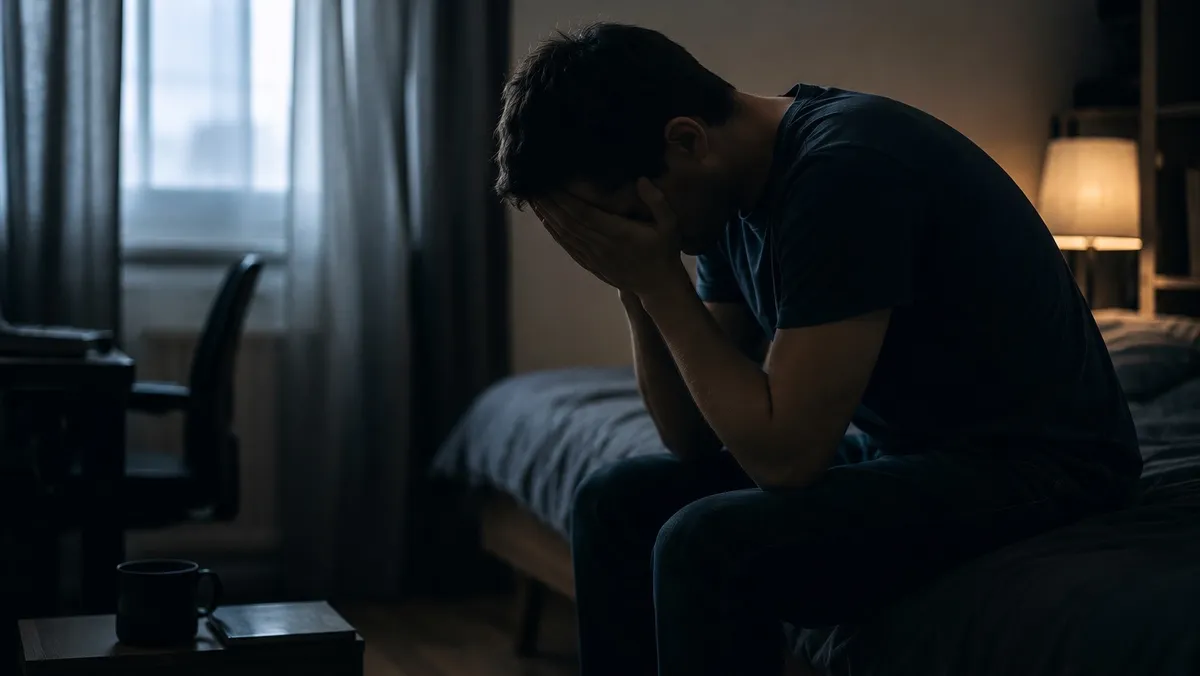
A person may feel sad because of loss, failure, disappointment, or even , but sometimes sadness seems to be a deeper and more persistent condition that affects sleep, appetite, energy, concentration, and the will to live. Here the important question arises: How do we differentiate between sadness as a condition and depression as a disease?
Distinguishing between the two conditions is important because often needs time, support, and containment, while depression may require specialized assessment and treatment.
Depression is not a weakness of character, nor is it evidence of a lack of faith or willpower, but rather a health disorder that can affect the way one thinks, feels, and behaves.
According to , depression differs from mood swings because it lasts for longer periods and affects multiple aspects of life, including relationships, work, or studies.
Reasons for sadness
Natural grief is often associated with an obvious cause such as a death, separation, illness, loss, severe stress, or difficult change. In this case, a person feels pain, may cry, withdraw a little, or temporarily lose enthusiasm, but often remains able, albeit to varying degrees, to experience moments of comfort, connection, gratitude, or even fleeting laughter