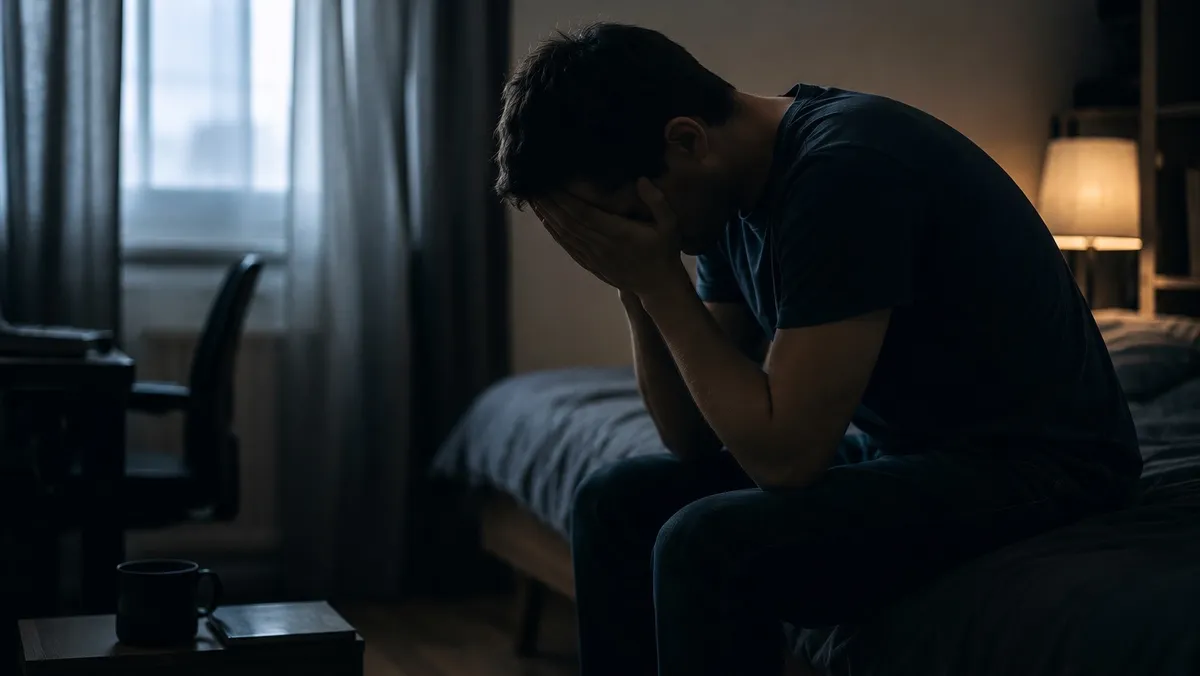
In normal grief, emotions often come in waves; the pain may intensify at certain times, such as at night, when seeing a picture, hearing a song, or remembering a situation, and then lessen slightly with talking, crying, being with a safe person, or the passage of time.
This does not mean that grief ends quickly, nor that a person should “get over” what happened within days, but it does mean that feelings, however intense, often remain linked to context and memory, and do not engulf all aspects of life all the time.explains that grief is a natural response to an important loss, and that it varies among people in its duration, intensity, and manner of expression. Therefore, there is no “one right way” to grieve, nor a fixed schedule that everyone must adhere to.
What is depression?
does not only mean that a person is sad; it may sometimes manifest as an inner emptiness, loss of pleasure, a feeling of heaviness, nervousness, constant fatigue, or a feeling of guilt and worthlessness.
A person may not be able to explain what is happening; they are not only saddened by a specific situation, but feel that life as a whole has lost its flavor.
According to , a major depressive episode involves a period of at least two weeks in which a person experiences depressed mood, or loss of interest and pleasure in daily activities, along with other symptoms such as disturbances in sleep, appetite, energy, concentration, or self-esteem.
describes depression as a common and serious illness that negatively affects a person’s feelings, thoughts, behaviors, and perception of the world.
The difference here is that depression affects everything, such as loss of appetite or an unusual increase in it, sleep disturbances, work becoming burdensome, studying seeming impossible, relationships losing their meaning, things that used to make a person happy no longer give them the same feeling, and the patient may feel like a burden on others, or that the future is uncertain, or that nothing will get better.
The difference between sadness and depression
Grief may last for days, weeks, or even months after major losses, but it usually changes over time; depression, on the other hand, often lasts most of the day, and most days, for two weeks or more, with a clear impact on the ability to work, study, have relationships, or .
But time alone is not enough to make a judgment; someone may grieve intensely after losing a loved one, yet not be clinically depressed. Another person may appear “normal” outwardly, going to work and laughing in public, but inwardly suffer from clear depression.
Therefore, a range of factors must be considered, including the severity of the symptoms, their persistence, their impact on daily life, the presence of loss of pleasure, and the nature of the accompanying thoughts.