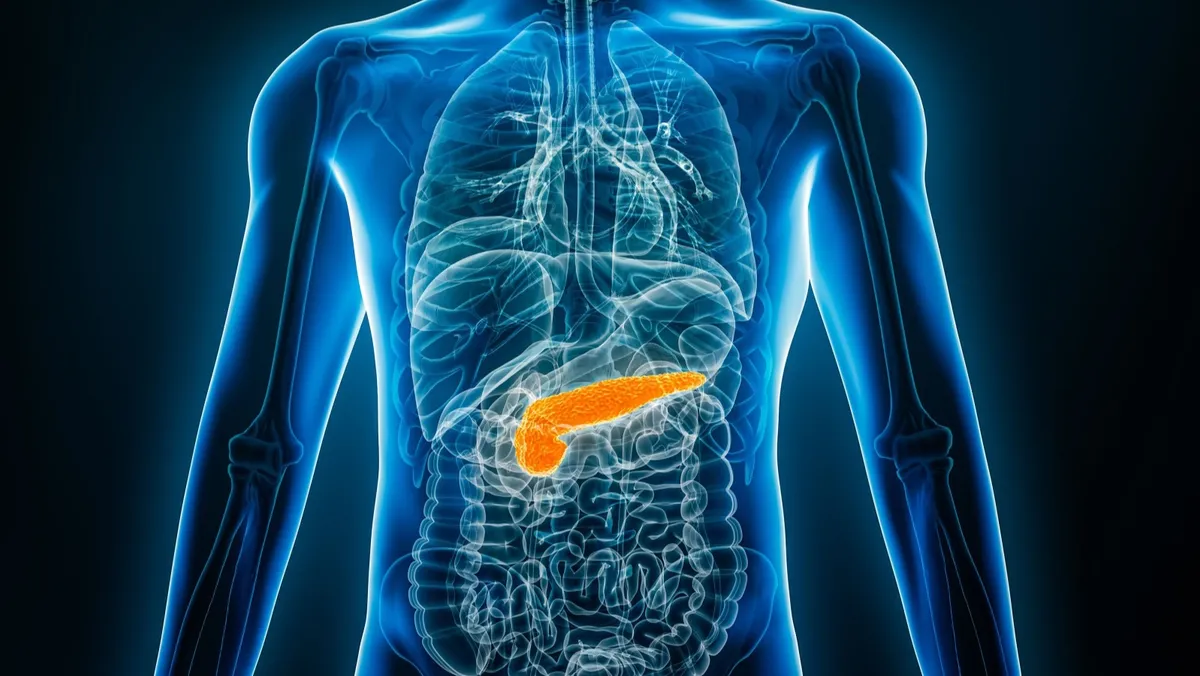
The researchers reported that 37.5% of vaccinated participants experienced shrinkage or disappearance of pancreatic cysts, compared to 6.8% in an unvaccinated group with similar characteristics. However, this comparison was exploratory and not part of a randomized controlled trial, thus preventing definitive conclusions from being drawn regarding efficacy.
The Kras gene is the primary driver of cancer in more than 90% of pancreatic ductal carcinomas, and its mutations are also present in many precancerous lesions. The vaccine contains long synthetic peptides designed to introduce the immune system to six of the most common Kras mutations, enabling T cells to recognize and attack abnormal cells before they develop into invasive tumors.
Study co-author Neha Zaidi, associate professor of oncology at the Sidney Kimmel Comprehensive Cancer Center at Johns Hopkins University, said that sustained immune response is particularly important in cancer prevention, because intercepting the disease may require years of immune surveillance.
Genetic mutations increase the risk of cancer
Individuals with genetic mutations that increase their risk of pancreatic cancer, or who have concerning lesions, undergo regular screenings to monitor for any changes. When a lesion is strongly suspected of becoming cancerous, surgical removal is the primary treatment option, but it is a major procedure, and some microscopic lesions are not detectable by imaging.