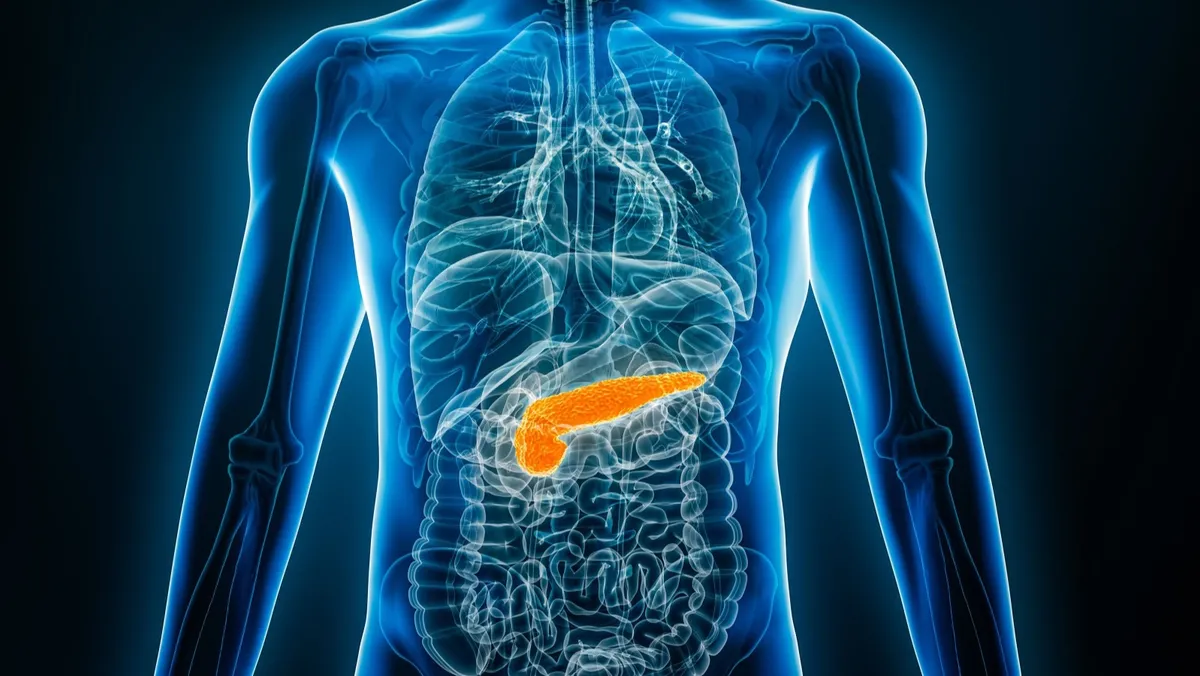
The researchers said that developing a non-surgical intervention that prevents precancerous lesions from becoming cancerous could be of particular importance in pancreatic cancer, which is often diagnosed after it has spread and remains associated with low survival rates.
However, the team cautioned against considering the results as evidence of successful prevention; the number of participants was limited, the follow-up period was relatively short, and the analysis of the immune response was limited to blood cells, without proving that T cells reached the precancerous tissues within the pancreas.
Another study is currently underway to directly examine tissue samples and determine whether the immune cells generated by the vaccine can penetrate the targeted lesions. Researchers said that larger, randomized trials with longer follow-up will be necessary to determine whether the vaccine can indeed reduce the incidence of pancreatic cancer and improve survival rates.