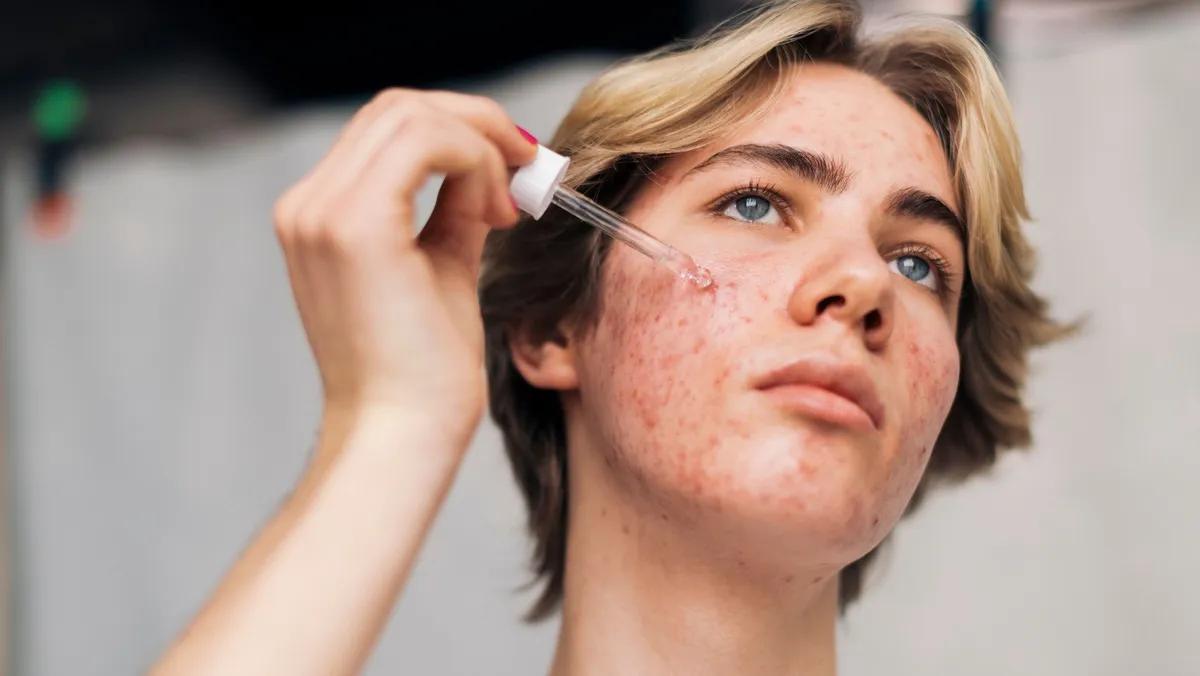
Acne often begins with small pimples on the face during the teenage years, but in some sufferers it can turn into a chronic disease that leaves permanent scars and pigmentation, sometimes continuing into the thirties and forties, especially in women.
Recent studies and treatment guidelines indicate that the disease is more complex than just an increase in fat or the accumulation of dirt on the skin; it arises from the interaction of hormones, sebum secretion, blockage of hair follicles, inflammation, and an imbalance among the microorganisms that naturally live on the surface of the skin.
The way acne is treated has changed in recent years, with a preference for formulations that target more than one cause at the same time, a reduction in long-term reliance on antibiotics, an expansion of the use of hormone therapy for women, and the emergence of topical preparations that combine 3 drugs in one dose.
Meanwhile, studies published during 2025 and 2026 added new information about the chances of the disease returning after treatment with the drug “isotretinoin”, the drug’s effect on growth, and the possible relationship between diet and acne severity.
Isotretinoin is an effective drug derived from vitamin A that is used to treat severe cases of acne that have not responded to other medications (such as antibiotics), and is dispensed exclusively by prescription.